Some window treatments are so poorly chosen that they should come with a health warning. You’ve seen them—the sheer curtain hanging sadly behind a reception desk like it’s been emotionally neglected, or the office blinds that curl like last week’s sandwich wrap under the heat of the 3 PM sun. Let’s not pretend it’s rare. It's everywhere. And it’s always avoidable.
At Betta Blinds, we understand that choosing the right blinds and curtains in Adelaide isn’t just about looks—it’s about balancing performance and style that actually lasts.
There’s this weird myth floating around—that you have to choose between looking good and working correctly. That it’s somehow too ambitious to expect your commercial space to stay cool, block glare, meet fire safety codes and not look like you sourced your blinds from a liquidation sale in 2003. You know what’s actually too ambitious? Expecting bottom-shelf window coverings to pull off top-shelf performance. Adelaide’s weather doesn’t play fair—nor should your fit-out.
Let’s call it what it is: commercial interiors often get shortchanged. The design budget runs out before the blinds go in. Function becomes a checkbox. Aesthetics? An afterthought. And suddenly, you’re left with fabric that discolours faster than a cheap tattoo and mechanisms that jam every second Friday.
But here’s the thing. You don’t need to blow the budget to get this right. What you do need is some actual knowledge—the stuff that doesn’t show up on Pinterest boards or in flashy showroom sales pitches. Like how the angle of the Adelaide sun chews through low-grade PVC. Or why acoustically rated curtains can reduce the bounce in a room with polished concrete floors by up to 40%. Or how your choice of track system affects repair costs more than the fabric ever will.
This isn’t a vibe-driven design guide. It’s a surgical takedown of the lazy, dated advice you’ve probably been handed. And yes—it’s written for you, right here in South Australia, where the weather’s weird, the buildings are either brand new or 130 years old, and you don’t have time (or patience) for quick fixes that aren’t.
So, if you're fitting out a clinic, a café, a showroom, or any space that involves both daylight and human beings—settle in. You’re about to find out exactly why your blinds matter way more than you thought... and why most of what you’ve been told? Not even close.
Everyone talks aesthetics first—big mistake. Commercial blinds and curtains are tools before they’re décor. If they don’t manage heat, light, and acoustics properly, they’re just expensive wall dressing.
You need to think about how light actually behaves through your glass—especially in Adelaide, where summer sunlight hits like it’s auditioning for a laser show. A good sunscreen blind doesn’t just “filter” light; it controls glare without cooking the interior. But get the wrong weave density, and your office will feel like an oven by 2 p.m.
Thermal control is another silent killer. Air-conditioning costs can jump by 20% if your blinds aren’t insulating properly. That’s real money, not brochure fluff. And yes, fabric matters. Specific polyester blends break down faster under UV stress—a detail rarely mentioned by salespeople who haven’t lived through a South Australian heatwave.
Then there’s acoustic performance. Curtains in Adelaide offices, especially in spaces with concrete floors or open layouts, can absorb up to 40% more reflected sound than bare windows. It’s one of those unsexy details that separate a good workspace from one that sounds like a tiled bathroom.
If your blinds or curtains can’t tick all those boxes—glare, heat, acoustics, compliance—they’re already costing you more than they saved.
Let’s be honest—most “designer” choices in commercial interiors don’t age well. The trendy fabric prints? Gone in two years. The statement colour palette? Outdated before the lease ends. The real design flex is subtlety with endurance.
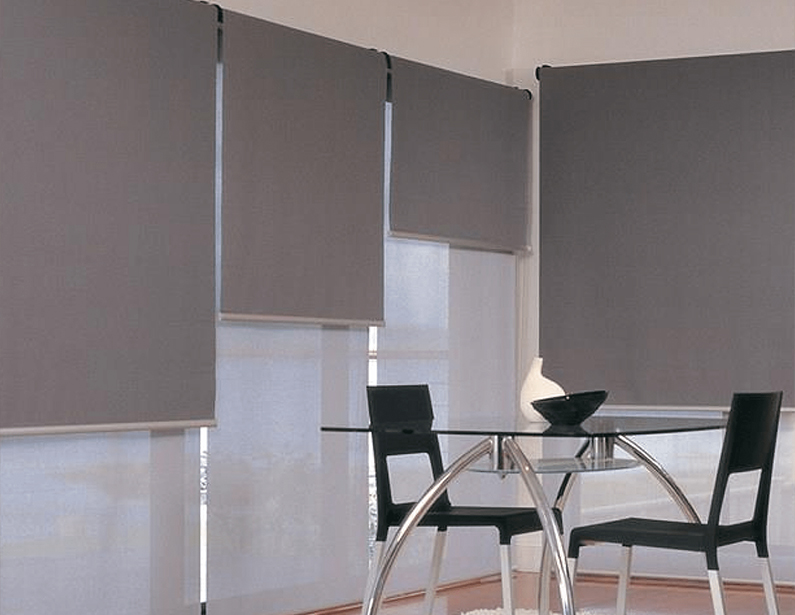
Aesthetics in blinds and curtains aren’t about making a space “pop.” They’re about harmony with the architecture and purpose. Stick with neutral tones and textures that complement the structure, not fight it. Layering works, too: sunscreen rollers paired with blockouts give flexibility, privacy, and control without looking heavy-handed.
And for the love of good taste, avoid floor-length sheers in commercial zones unless you’re running a boutique spa. In high-traffic spaces, they trap dust, interfere with airflow, and violate basic practicality. You’d be surprised how many “designer installs” turn into maintenance nightmares because someone prioritised pretty over possible.
A good installer knows where aesthetics end and logic begins—and yes, those people exist right here in South Australia.
This part’s non-negotiable. Suppose your blinds or curtains are coming from a national supplier with cookie-cutter specs; good luck. Adelaide’s climate is too specific—dry heat, coastal salt exposure, and that charmingly brutal afternoon sun that finds every west-facing surface.
Coastal suburbs like Glenelg or West Beach will corrode low-grade metal mechanisms twice as fast as inland areas. Meanwhile, heritage-listed buildings in places like North Adelaide or Norwood come with their own compliance headaches—and that means you need fittings that don’t damage original timber or plaster. Local suppliers get this. Out-of-state ones don’t.
And service? A local fitter from Betta Blinds can be on-site within days if something jams or misaligns. Try getting that from a Melbourne-based “service hub.” Go ahead, but you’ll age while you wait.
Supporting local isn’t just feel-good patriotism. It’s a practical sense. South Australian-made blinds and curtains are literally built for the climate, and the people fitting them actually understand how you use your space.
Motorised blinds are one of those things that sound cool until they stop working mid-meeting. They make perfect sense for large spaces, hard-to-reach windows, or boardrooms where light control needs to switch fast. But if you’re using them in a small reception area just to look tech-savvy? That’s not innovation—that’s overcomplication.
Automation has its place. But remember: every added motor, battery, and Wi-Fi connection is one more thing to maintain. If your installer doesn’t set up proper calibration or check compatibility with your network (and most don’t), you’ll be dealing with random malfunctions that make you want to tear the blind off the track.
It’s simple—use smart systems where they actually solve a problem. Otherwise, manual blinds will outlast, outperform, and outsave the flashy stuff.
The lifespan of commercial blinds has nothing to do with luck—it’s about engineering. Aluminium brackets, reinforced tracks, and tensile-tested chains matter far more than fabric colour. Yet most buyers never ask about hardware composition, and that’s why so many installations start failing within two years.
PVC-coated polyester blinds are especially deceptive. They look solid at first, but in Adelaide’s dry climate, the coating can become brittle. Once that happens, the blind edges start cracking, and you’re in for premature replacement.
Curtains in Adelaide commercial spaces need the same scrutiny. Check fabric ratings—“commercial-grade” isn’t marketing fluff; it’s a technical category that defines durability, UV resistance, and compliance. Ask for the specs, not the spiel.
If a supplier dodges those questions, they’re not selling you a solution—they’re selling you a future headache.
Before you sign off on any blinds or curtains for your commercial space, ask these:
Suppliers who can’t answer these directly shouldn’t be touching your windows. It’s that simple.
Wrap Up!
The best blinds and curtains don’t demand attention—they quietly perform, day after day, without drama. They cut heat, mute noise, and still look respectable five years later. That’s not luck; that’s informed decision-making.
When you balance function with aesthetics, you end up with a workspace that feels professional without being pretentious, comfortable without being overdesigned. And when you get them from people who’ve been covering Adelaide windows for over 50 years, you’re not just buying blinds—you’re buying proof that practical and good-looking can actually coexist.
Because in Adelaide, that balance isn’t optional. It’s survival.